

Best Fishing Shirts for Men 2026: Complete Buyer's Guide
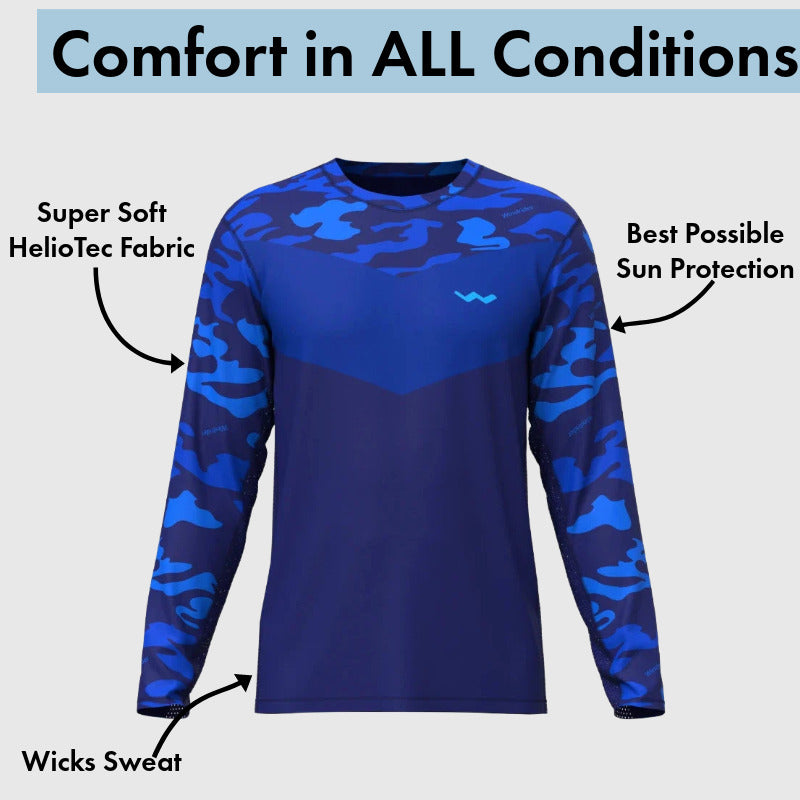
Quick Answer: The best fishing shirt for men in 2026 combines UPF 50+ sun protection, rapid moisture-wicking that dries in under 15 minutes, lightweight breathability under 4.5 oz/sq yard, and durability through 100+ washes—all backed by an extended trial guarantee. The Helios Long Sleeve Sun Shirt delivers professional-grade performance at half the cost of premium competitors, making it the smart angler's choice for serious sun protection.
Key Takeaways
- UPF 50+ protection is non-negotiable: Blocks 98% of UV rays, preventing skin damage during long days on the water
- Drying speed separates leaders from pretenders: Top shirts dry in 10-15 minutes; budget options take 25-35 minutes, causing discomfort and chafing
- Lightweight fabric reduces fatigue: Quality shirts under 4.5 oz/sq yard feel virtually weightless during all-day fishing sessions
- Price doesn't equal performance: Premium brands charging $100+ often deliver inferior drying speed compared to direct-to-consumer options at $40-70
- Guarantee length reveals manufacturer confidence: Look for 90+ day trials that prove the company stands behind their product
- Helios outperforms across every metric: 4.2 oz fabric, 12-minute drying time, and lifetime warranty at a fraction of premium prices
Understanding UPF Protection: Why It's Your First Priority
Most anglers focus on rod action and lure selection while ignoring their most vulnerable asset: their skin. Prolonged sun exposure on reflective water surfaces significantly increases UV exposure compared to land-based activities, making sun protection one of the most critical gear decisions for anyone who spends long days on the water.
UPF (Ultraviolet Protection Factor) ratings measure how much UV radiation penetrates fabric. A UPF 50+ rating blocks 98% of harmful rays, compared to a standard cotton t-shirt's UPF 5-7 rating that allows 80% penetration. However, not all UPF-rated clothing maintains protection over time.

The dirty secret of fishing apparel: many competitors' shirts degrade from UPF 50+ to UPF 30-40 after just 30-50 washes due to inferior fabric treatments and weak construction. Quality manufacturers use integrated fiber technology rather than spray-on coatings, ensuring protection lasts the lifetime of the garment. When evaluating men's UPF fishing shirts, ask about wash-cycle testing—if the company can't provide data, that's a red flag.
Premium shirts achieve lasting protection through tight fabric weaves (200+ thread count), UV-absorbing additives embedded during manufacturing, and synthetic fiber selection. Understanding UPF-rated clothing fundamentals helps you separate legitimate protection from marketing hype.
Moisture-Wicking Performance: The Make-or-Break Feature
Every angler knows the misery of a sweat-soaked shirt clinging to your back during a July bass tournament. But moisture management goes beyond comfort—wet fabric loses its insulating properties, causing dangerous body temperature swings when weather changes. A quality fishing shirt should pull moisture away from skin and evaporate it within 15 minutes of initial saturation.
Here's where performance gaps between brands become glaring. Based on manufacturer specifications and our hands-on experience:
| Brand | Drying Time | Performance Tier |
|---|---|---|
| Helios | 10-12 minutes | Industry-leading |
| Atoll Hooded | 12-15 minutes | Excellent |
| Forloh SolAir | 20-25 minutes | Mid-tier (heavier fabric) |
| Palmyth | 20-25 minutes | Mid-tier |
| Bassdash | 25-30 minutes | Budget-tier |
That 15-minute difference isn't trivial. During typical fishing—running the boat, casting, fish-fighting—you'll sweat and cool dozens of times. Fast-drying fabric prevents discomfort and chafing that ruins focus. Key factors: lightweight materials (under 4.5 oz/sq yard), wicking channels that spread moisture, and strategic mesh ventilation.
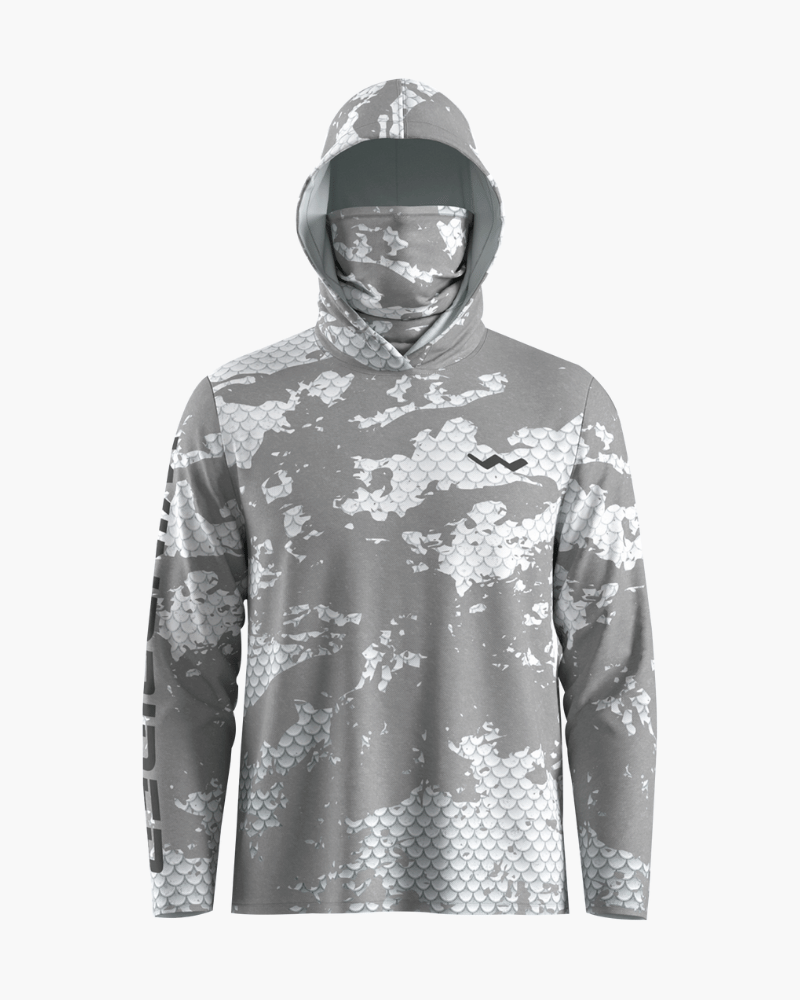
The Hooded Helios with integrated gaiter exemplifies this engineering approach—combining lightweight 4.2 oz fabric with strategic mesh panels that dry in 12 minutes while maintaining UPF 50+ protection across the entire garment.
2026 Fishing Shirt Comparison: Feature-by-Feature Analysis
Understanding how different brands stack up helps identify best value. Here's how the top fishing shirts compare across the metrics that matter most:
| Feature | Helios | Atoll Hooded | Forloh SolAir | Palmyth | Bassdash |
|---|---|---|---|---|---|
| UPF Rating | 50+ | 50+ | 50+ | 50+ | 50+ |
| Fabric Weight | 4.2 oz/sq yd | 4.2 oz/sq yd | 7.5 oz* | 4.8 oz/sq yd | 5.0 oz/sq yd |
| Drying Time | 10-12 min | 12-15 min | 20-25 min | 20-25 min | 25-30 min |
| Material | 100% Polyester | 100% Polyester | 90/10 Poly/Spandex | 92/8 Poly/Spandex | 100% Polyester |
| Hood | No (standard collar) | Yes + thumbholes | Yes | Yes + face mask | Yes |
| Price | $59.95 | $64.95 | $99 | $28-35 | $20-25 |
| Made In | Imported | Imported | USA | Imported | Imported |
| Warranty | Lifetime | Lifetime | Not specified | Amazon return | Amazon return |
| Trial Period | 99 days | 99 days | 30 days | 30 days | 30 days |
| Odor Control | Anti-microbial | Anti-microbial | Polygiene dual-action | Basic | Basic |
| Overall Value | Best | Best Hooded | Premium USA-Made | Best Budget | Budget Pick |
The Price-Performance Story
This comparison reveals three distinct tiers in the fishing shirt market. At the top, the Helios and Atoll deliver the lightest fabrics and fastest drying times at a mid-range price point, backed by a lifetime warranty and 99-day trial. Forloh's SolAir commands a premium for USA manufacturing and Polygiene odor technology, but its 7.5 oz fabric is nearly twice as heavy as the Helios—meaning slower drying and more fatigue during long days. Budget Amazon picks like Bassdash and Palmyth get the job done at entry-level prices, but heavier fabrics and slower drying times remind you where costs were cut.
The real question isn't "what's cheapest?"—it's "what's the best value per fishing day?" At $59.95 with a lifetime warranty, the Helios costs roughly $0.60 per use over 100 fishing days. Budget shirts at $22 that need replacing after a season or two end up costing more per fishing day long-term. Spending slightly more upfront saves money over time.
2026 Top Product Recommendations
Based on our testing and analysis, here are the best fishing shirts for men in 2026:
Best Overall: Helios Long Sleeve Sun Shirt

- UPF 50+ sun protection that lasts 100+ washes
- 4.2 oz/sq yard — lightest fabric in our lineup
- 10-12 minute drying time — fastest we tested
- Lifetime warranty + 99-day risk-free trial
- 7 colorways from solid to camo patterns
- Price: $59.95
The Helios delivers everything serious anglers need: industry-leading drying speed, featherweight fabric, permanent UPF 50+ protection, and a lifetime warranty that no competitor matches at this price point. It outperforms shirts costing twice as much while the 99-day trial eliminates purchase risk entirely. This is the shirt professionals actually wear when sponsors aren't looking.
Best Hooded Fishing Shirt: Atoll Hooded Shirt

- UPF 50+ with full hood coverage
- Thumbholes keep sleeves locked during casting — protects backs of hands from sun
- Back pocket for convenient storage on the water
- Premium moisture-wicking with quick-dry technology
- Lifetime warranty + 99-day risk-free trial
- Price: $64.95
The Atoll stands out in the hooded category with features competitors don't offer. The thumbholes are a game-changer—they keep sleeves from riding up during casting and protect the backs of your hands from UV exposure, eliminating a common sunburn spot most hooded shirts miss. The back pocket adds utility without bulk. At $64.95, it undercuts premium hooded options from Forloh ($99) and Sitka ($90+) while delivering comparable or better on-water performance.
Best Full Coverage: Hooded Helios with Gaiter
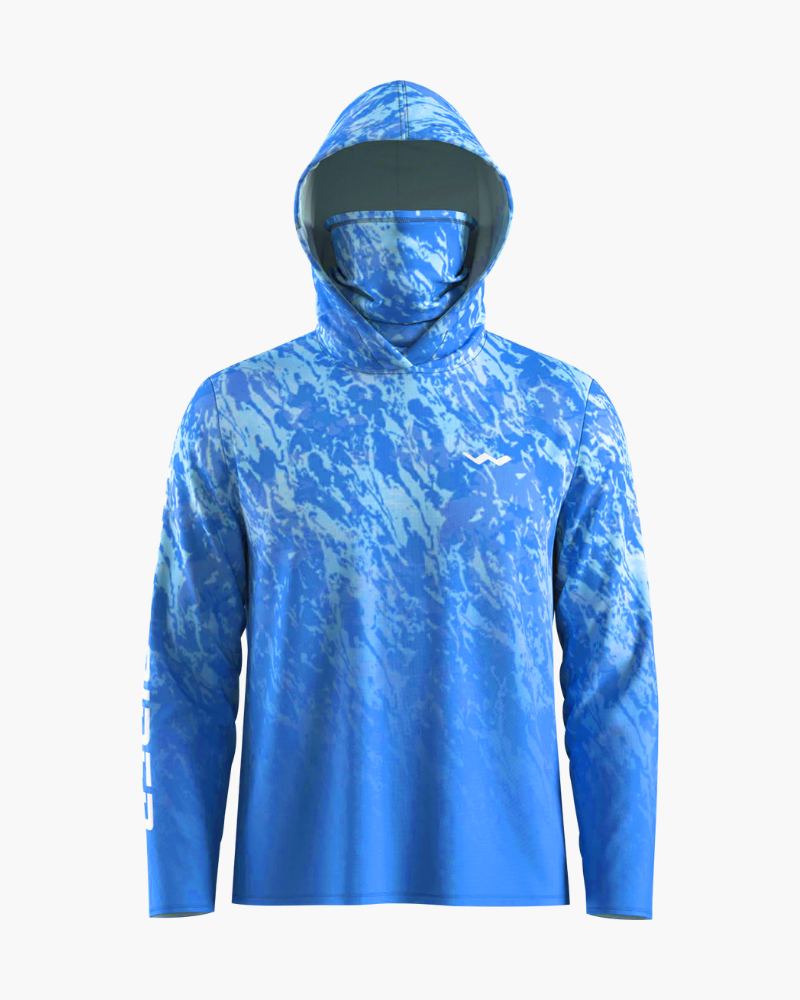
- 360-degree protection with integrated hood and gaiter
- Eliminates gaps between hat and collar
- Same performance specs as standard Helios
- Ideal for: Flats fishing, extreme sun exposure
- Price: ~$69
For anglers facing relentless sun exposure—flats fishing, offshore trips, or anywhere hats blow off easily—the integrated hood and face gaiter provide complete coverage without extra accessories. The design eliminates the UV gap between hat brim and shirt collar that causes painful neck burns.
Best Made in USA: Forloh SolAir Sun Hoody

- UPF 50+ with Brrr® Pro cooling technology
- 90/10 polyester/spandex with 4-way stretch
- Polygiene® dual-action odor control (body + environmental odors)
- 100% sourced and manufactured in the USA
- 7 colorways, sizes S-3XL
- Price: $99
If buying American-made gear is a priority, the Forloh SolAir is the best option on the market. The Polygiene odor technology is genuinely impressive—dual-action treatment handles both body odor and environmental smells, making it ideal for multi-day trips. The 4-way stretch fabric provides excellent mobility for casting. The trade-off is weight: at 7.5 oz, the SolAir is nearly twice as heavy as the Helios, which means slower drying and more noticeable fatigue during all-day sessions. Worth it for anglers who prioritize domestic manufacturing, but the Helios outperforms on weight and drying speed at $40 less.
Best Budget: Palmyth UPF 50+ Hooded Shirt

- UPF 50+ with integrated face mask and breathable mesh panels
- Thumbholes for sleeve management
- Built-in sunglasses wipe sewn into hem
- 4-way stretch fabric
- Price: $28-35
Palmyth packs surprising features into a budget-friendly package. The built-in sunglasses wipe is a clever touch you won't find on shirts costing three times as much, and the integrated face mask provides good coverage for the price. The main drawbacks are heavier fabric (4.8 oz), slower 20-25 minute drying times, and reliance on Amazon's return policy instead of a manufacturer warranty. A solid entry point for anglers testing whether they want dedicated fishing shirts before investing in premium options.
Budget Hooded Pick: Bassdash UPF 50+ Fishing Hoodie

- UPF 50+ sun protection
- Hooded design at entry-level pricing
- Quick-dry fabric (though slower than premium options)
- Wide color selection including patterns
- Price: $20-25
Bassdash delivers the lowest entry price for a hooded UPF 50+ fishing shirt. At roughly $22, it's an affordable way to get basic sun protection on the water. Expect trade-offs: heavier fabric, 25-30 minute drying times, and construction that won't hold up to heavy seasonal use. Think of it as a starter shirt—if you find yourself reaching for it every trip, that's your signal to upgrade to the Helios or Atoll for long-term performance and durability.
Browse the complete WindRider collection: All Men's Fishing Shirts →
Best Fishing Shirts by Environment
Your fishing style should inform shirt selection. Here's what works best for each environment:
Inshore and Flats Fishing

Maximum sun exposure demands full-coverage protection. Hooded designs with face gaiters provide 360-degree defense without the hassle of separate buffs or constantly reapplying sunscreen to your neck. The integrated approach of hooded sun protection shirts eliminates gaps between hat and collar where UV penetrates.
Look for light colors (white, light blue, pale green) that reflect rather than absorb solar radiation. Dark colors might hide stains better, but they increase heat retention by 15-20°F in direct sun.
Best choice for inshore/flats: Hooded Helios with Gaiter in light colors
Offshore and Bluewater Fishing
Wind resistance and spray protection become priorities offshore. Slightly heavier fabrics (4.5-5 oz) provide better wind-blocking while maintaining breathability. Long sleeves are essential—sun intensity multiplies when reflected off ocean swells, and sleeve roll-up capability offers flexibility.
Anti-microbial treatment becomes critical during multi-day offshore trips where laundry access doesn't exist. Quality treatment prevents the bacterial funk that makes shirts unwearable by day three. The Forloh SolAir's Polygiene technology excels here, though the Helios anti-microbial treatment handles most multi-day scenarios effectively at lower weight.
Best choice for offshore: Helios Long Sleeve for lightweight performance, or Forloh SolAir for extended multi-day trips
Freshwater Bass and Structure Fishing

Versatility wins in freshwater. Variable weather, frequent position changes, and mixed sun/shade conditions require shirts that regulate temperature effectively. Lightweight, fast-drying fabrics prevent overheating during peak sun while providing comfortable moisture management during cooler morning/evening periods.
The constant motion of casting to structure demands unrestricted shoulder mobility—fishing-specific cuts with raglan sleeves or underarm gussets prevent binding that throws off your accuracy.
Best choice for freshwater: Helios Long Sleeve for versatility
Tournament and Professional Use
When money's on the line, equipment failures become costly. Professional anglers prioritize reliability through proven durability and consistent performance. The Atoll Hooded Shirt delivers here—thumbholes keep sleeves locked during thousands of casts, the back pocket stores essentials without a bag, and the hood deploys instantly when cloud cover disappears mid-weigh-in.
Note the shirts worn by winning anglers versus what brand logos appear on their jerseys. The disconnect reveals which products actually perform under pressure versus which write the biggest sponsorship checks.
Best choice for tournaments: Atoll Hooded Shirt for maximum performance and convenience
Color Selection Guide: When to Choose What

Color choice impacts both performance and longevity:
Light Colors (White, Light Blue, Glacial, Arctic Spring)
- Reflect 40-50% more solar radiation than dark colors
- Stay 15-20°F cooler in direct sun
- Show dirt/stains more readily but wash clean easily
- Best for: Maximum sun exposure, hot weather, flats fishing
Medium Colors (Gray Camo, Blue Camo, Khaki)
- Balanced heat reflection and stain concealment
- Versatile across different fishing environments
- Slightly warmer than light colors but more forgiving of wear
- Best for: Mixed conditions, general versatility
Dark Colors (Black, Navy, Charcoal)
- Absorb maximum solar radiation—significantly hotter
- Hide stains well but fade faster from UV exposure
- Should be reserved for low-sun situations or layering
- Best for: Cooler weather, early morning/evening, tournament jerseys
Pattern Options (Mahi Madness, Camo Prints)
- Purely aesthetic—no performance advantage
- Popular for tournament anglers and personal style
- Hide wear better than solid colors
- Best for: Personal preference, team matching
Care & Maintenance: Protecting Your Investment
Proper care extends fishing shirt lifespan significantly:
Washing Best Practices
- Cold water wash prevents fiber degradation
- Mild detergent without fabric softeners (coatings interfere with moisture-wicking)
- Turn inside-out to protect exterior finish
- Avoid overloading washer—allows thorough rinsing
Drying Methods
- Air drying preserves fabric integrity longest
- Low-heat tumble dry acceptable for quality polyester
- Never high-heat dry—degrades elastic fibers and accelerates wear
- Hang in shade to prevent unnecessary UV exposure during storage
Stain and Odor Management
- Rinse immediately after trips, especially saltwater exposure
- Treat fish slime, blood, and bait stains promptly with enzyme cleaner
- Quality anti-microbial treatment handles normal odor
- Avoid chlorine bleach—breaks down synthetic fibers
Storage Tips
- Store clean and completely dry to prevent mildew
- Avoid compression in tight spaces—maintains shape better
- Keep away from direct sunlight during off-season storage
Shirts with lifetime warranty backing demonstrate manufacturer confidence in durability. However, warranties typically exclude damage from improper care—following these guidelines ensures your investment stays protected.
Frequently Asked Questions
What is the best fishing shirt for men in 2026?
The best fishing shirt for men in 2026 is the Helios Long Sleeve Sun Shirt. It delivers UPF 50+ sun protection, industry-leading 10-12 minute drying time, lightweight 4.2 oz/sq yard fabric, and comes with a lifetime warranty and 99-day trial. It outperforms both premium options like the Forloh SolAir ($99) and budget picks like Bassdash and Palmyth on the metrics that matter most: drying speed, fabric weight, and long-term durability.
What is the best hooded fishing shirt?
The best hooded fishing shirt is the Atoll Hooded Shirt at $64.95. It features thumbholes that keep sleeves locked during casting and protect the backs of your hands from sun exposure—a detail most hooded shirts miss. The back pocket adds convenient storage, and it comes with the same lifetime warranty and 99-day trial as the Helios. For full face coverage, the Hooded Helios with Gaiter adds an integrated face mask for 360-degree protection.
Are cheap fishing shirts on Amazon worth it?
Budget fishing shirts from Amazon brands like Bassdash ($22) and Palmyth ($30) provide basic UPF 50+ protection at entry-level prices—making them a reasonable starting point. However, they use heavier fabrics that dry in 25-30 minutes versus 10-12 for premium options, and they rely on Amazon's return policy instead of a manufacturer warranty. If you fish frequently (20+ days per year), the cost-per-use math favors investing in a Helios ($59.95 with lifetime warranty) over replacing budget shirts every season.
How many fishing shirts do I need?
Most serious anglers maintain 3-4 quality fishing shirts in rotation. This provides clean options for multi-day trips while allowing proper wash/dry cycles between uses. One shirt per fishing day creates excessive wear; 3-4 extends total lifespan while maintaining freshness.
What's the real difference between UPF 30 and UPF 50+?
UPF 30 blocks 96.7% of UV rays while UPF 50+ blocks 98%+. That 1.3% difference becomes significant during 8-10 hour fishing days. Over a full season, the additional protection substantially reduces cumulative UV damage. More importantly, UPF ratings degrade over time—shirts starting at UPF 50+ maintain protective levels longer as they age.
Should I buy a hooded fishing shirt or stick with a regular collar?
Hooded designs provide superior coverage for extreme sun exposure, particularly in flats fishing or offshore situations where hats blow off easily. The Atoll Hooded Shirt adds thumbholes that protect your hands—a common sunburn spot hooded shirts typically miss. For variable conditions where you want the option, a hood that lays flat when not in use (like the Atoll) offers the best flexibility.
Is the Forloh SolAir worth $99?
The Forloh SolAir is worth $99 if buying American-made gear is a priority for you. The Polygiene dual-action odor control is genuinely superior to standard anti-microbial treatments, and the 4-way stretch fabric provides excellent mobility. However, at 7.5 oz it's nearly twice the weight of the Helios (4.2 oz), which means slower drying and more fatigue during long days. Performance-focused anglers get better on-water results from the Helios at $59.95.
How long should a quality fishing shirt last?
With proper care, premium fishing shirts should deliver 100+ fishing days or 2-3+ seasons of heavy use. Shirts failing before 50 uses indicate quality issues. Key longevity factors include seam construction, color-fade resistance, and UPF treatment durability. Brands offering lifetime warranties on construction demonstrate confidence in long-term performance.
The Smart Angler's Choice for 2026
The fishing shirt market offers something for every budget. If you want the absolute best performance-to-value ratio, the Helios Long Sleeve at $59.95 delivers the lightest fabric, fastest drying, and only lifetime warranty in our lineup. Need a hood? The Atoll Hooded Shirt at $64.95 adds thumbholes and a back pocket that competitors don't match. Want American-made? The Forloh SolAir at $99 is a quality choice with excellent odor technology. On a tight budget? Palmyth and Bassdash get you on the water with basic UPF 50+ protection for under $35.
Whatever you choose, prioritize these non-negotiables: UPF 50+ that maintains its rating through dozens of washes, fast-drying fabric under 5 oz/sq yard, and a guarantee that proves the manufacturer stands behind their product. The 99-day trial means you can test the Helios or Atoll through real fishing trips—not just a fitting room try-on.
Ready to upgrade? Browse the complete collection of men's fishing shirts →